
Embryo development and selection are among the most important stages of the IVF process. Understanding Embryo Grading, Embryo Quality and IVF success rates can help you feel more informed and confident about your fertility treatment journey.
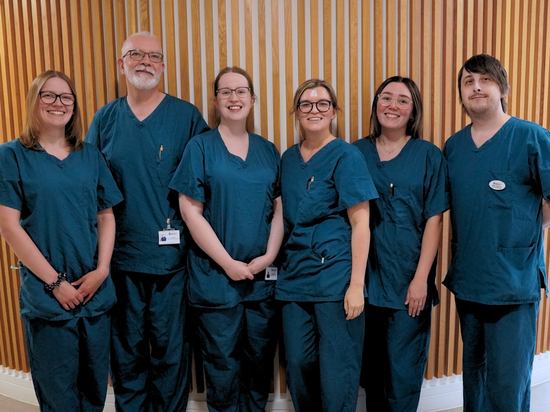
At Manchester Fertility, our expert Embryology Team carefully monitors embryo development to select the embryos with the highest potential for a successful IVF pregnancy.
How we assess embryos for IVF
Embryo Grading is the scientific process used to evaluate an embryo’s development and implantation potential. By analysing cell division, symmetry and overall appearance, our embryologists determine which embryos are most suitable for transfer or freezing.
Where possible, your embryos are cultured in EmbryoScope® incubators, which capture multiple images every hour. This technology allows continuous assessment of embryo development without disturbing the embryos, helping improve embryo selection during IVF. Time-lapse embryo culture is included in your IVF cycle at no extra cost at Manchester Fertility
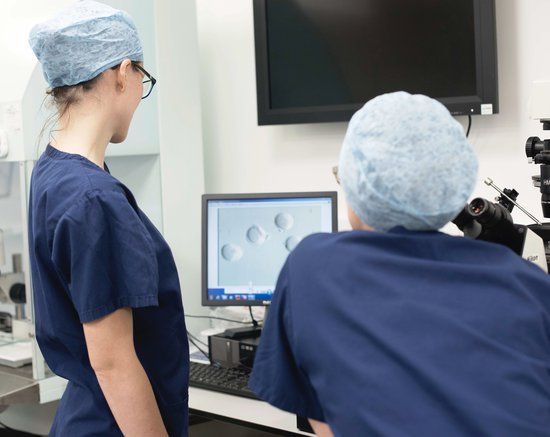
In some circumstances, we need to grow your embryos using standard culture and incubation. In this case, they are examined using advanced, high-resolution microscopes in our laboratory.
What Makes a Good Quality Embryo?
During IVF treatment, embryo quality plays an important role in determining which embryos have the best chance of leading to a successful pregnancy.
Our embryologists assess embryo quality throughout their time in the laboratoryusing a process called embryo grading. We usually first assess your embryos on day three of development.
This involves carefully examining several key factors under the microscope, including:
● Number of cells in the embryo
● Evenness and symmetry of the cells
● Level of cell fragmentation (cell breakdown)
Ideal Embryo Characteristics
On day 3, an embryo with evenly sized cells, good symmetry, and little or no fragmentation is generally considered a high-quality embryo and may have a strong potential for implantation.
However, it’s important to understand that lower-graded embryos can still result in successful pregnancies. Embryo development varies significantly, and factors such as cell division patterns, degree of fragmentation, and overall structure all contribute to an embryo’s potential.
Ideal Embryo Characteristics
On day 3, an embryo with evenly sized cells, good symmetry, and little or no fragmentation is generally considered a high-quality embryo and may have a strong potential for implantation.
However, it’s important to understand that lower-graded embryos can still result in successful pregnancies. Embryo development varies significantly, and factors such as cell division patterns, degree of fragmentation, and overall structure all contribute to an embryo’s potential.
Expert Embryologists Assess Embryo Quality
Because embryo development can differ between patients, accurate embryo grading requires a high level of expertise.
Our experienced embryology team uses advanced laboratory techniques and years of specialist training to carefully assess and select embryos with the greatest potential. This helps maximise your chances of achieving a successful IVF pregnancy.
Day 3 vs Day 5 Embryo Transfer: Which Is Best for IVF Success?
During IVF treatment, one important decision is whether to transfer embryos on day 3 or continue developing them until day 5 blastocyst stage. The right timing depends on how your embryos are developing and your individual fertility circumstances.
At Manchester Fertility, our embryology team carefully monitors embryo development to recommend the transfer timing that gives you the best chance of pregnancy.
What Is a Day 3 Embryo Transfer?
A day 3 embryo transfer takes place three days after egg fertilisation in the laboratory.
At this stage, embryos usually contain around 6-8 cells. If only a small number of embryos are developing well by day three, transferring an embryo earlier may be recommended.
Choosing a day 3 transfer allows the embryo to continue developing in the natural environment of the uterus, which can sometimes be more beneficial than extended culture in the laboratory.
Importantly, having a day 3 embryo transfer does not mean your chances of pregnancy are lower. For many patients, it is the most appropriate option.
What Is a Day 5 Blastocyst Transfer?
A day 5 embryo transfer involves growing embryos in the lab for two additional days until they reach the blastocyst stage.
A blastocyst is a more advanced embryo with a distinct structure, including:
● Cells that will form the baby (inner cell mass)
● Cells that will develop into the placenta (trophectoderm)
If several embryos are developing well on day three, continuing to blastocyst culture can help embryologists identify which embryo has the strongest implantation potential.
At Manchester Fertility, blastocyst development is included in your IVF cycle at no additional cost if your embryos are suitable for extended culture.
How We Decide Between Day 3 and Day 5 Transfer
The choice between a day 3 embryo transfer and a day 5 blastocyst transfer depends on several factors, including:
● The number of embryos developing
● Embryo quality on day three
● Your fertility history
● Previous IVF outcomes
Our experienced embryology team will monitor your embryos and advise which approach offers the best chance of success in your IVF cycle.
Genetic Testing of Embryos: Preimplantation Genetic Testing for Aneuploidy (PGT-A)
In some cases, genetic testing of embryos may be recommended to improve embryo selection.
Preimplantation Genetic Screening (PGT-A) allows specialists to analyse an embryo’s chromosome number before transfer.
This may be advised if you:
● Have experienced repeated IVF failure
Have a history of recurrent miscarriage
● Are of advanced maternal age
Using a specialised embryo biopsy technique, a few cells are safely removed from the embryo and analysed by expert genetic laboratories. This process does not affect the embryo’s ability to continue developing.
Only embryos with the correct number of chromosomes are selected for transfer, which may improve the chances of implantation and a healthy pregnancy. This should be discussed with our medical team before your treatment starts.
Expert Embryology and Advanced IVF Technology
At Manchester Fertility, our laboratory team combines embryology expertise with advanced IVF innovations, including modern embryo culture techniques and time-lapse embryo monitoring.
These technologies help us carefully assess embryo development and select the embryos with the greatest potential for pregnancy.
Speak to Our Fertility Specialists
If you have questions about embryo development, embryo grading, or time-lapse embryo selection, our patient advisors are here to help.
Call our team on 0161 300 2737
You can also book a free private 1-to-1 consultation with our specialists to discuss starting IVF treatment, or self-refer online.
Last updated: 10th March 2026