


IVF Add-ons
Add-ons are optional extras that you may be offered on top of your normal fertility treatment, some of our add-ons are included as part of our packages.
 Quick Read
- IVF add-ons are optional extra treatments that may be offered alongside standard fertility care, designed to potentially improve certain aspects of IVF outcomes depending on individual circumstances.
- At Manchester Fertility, some techniques are included within treatment packages, while others are offered as additional add-ons following discussion with your consultant.
- Common add-ons include advanced embryo development and selection tools such as EmbryoGlue, EmbryoScope time-lapse imaging, and genetic testing like PGT-A.
- Other options may focus on improving implantation or timing, such as endometrial receptivity testing (ERA) or endometrial scratching for selected patients.
- All add-ons are only recommended based on individual clinical need, and patients are supported to understand their benefits, risks, and the current evidence behind them before deciding.
What are IVF add-ons?
We include certain add-ons as part of the package. Please see the individual add-on pages for information about whether they are included in our packages.
Your doctor will be able to provide you the complete information and risk associated with any of these add-ons, we offer these add-ons after a full discussion with our experts and after your specific individual circumstances have been considered.
If you require more information on add-ons you can visit the HFEA website here.
What add-ons are available?
Sometimes patients undergoing IVF treatment may require additional techniques to improve the outcome of treatment.
Find out more about the range of treatment techniques that may be available to you:
Blastocyst Transfer
If you have suitable embryos, they will be cultured to blastocyst stage in our embryology laboratory at no additional charge.
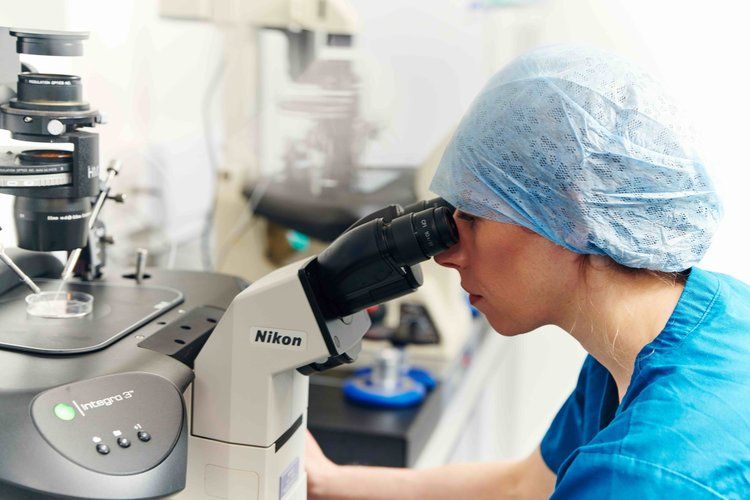
Your embryo becomes a blastocyst when it has reached a very specific, advanced stage of development, where we can see the cells that will eventually form the placenta and baby.
EmbryoGlue
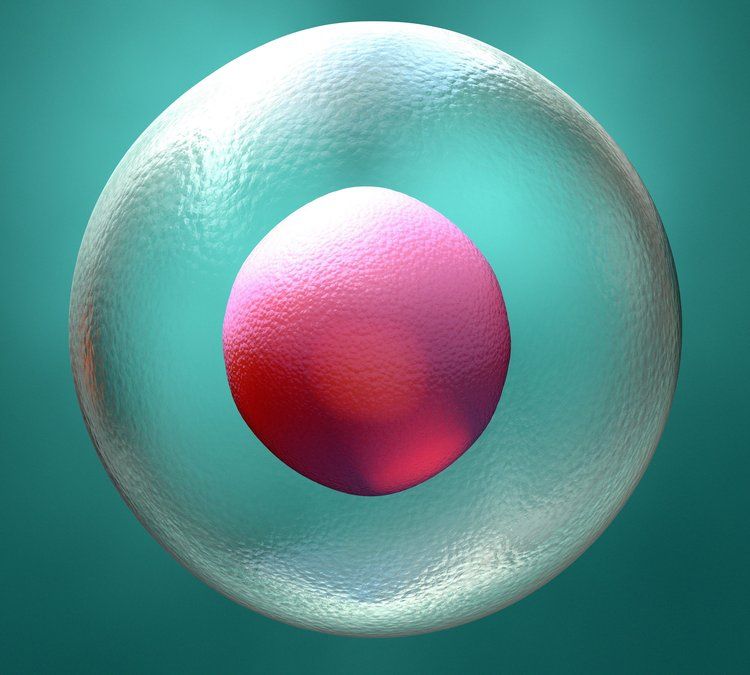
EmbryoGlue has been developed to closely resemble the environment in the womb, which can help to encourage successful implantation.
An IVF cycle involves several different steps that will help you increase the chances of becoming pregnant. The final step of the IVF process is the embryo transfer.
If you are having an embryo transfer as part of your treatment, EmbryoGlue could help to improve your chances of success.
Embryoscope time-lapse
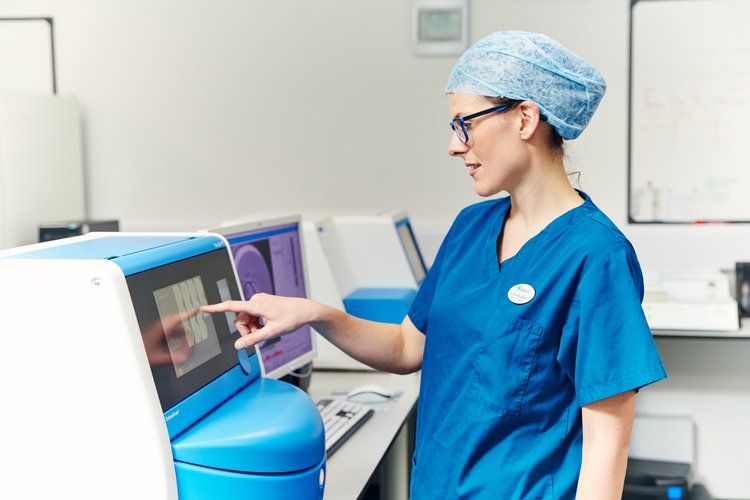
EmbryoScope is a revolutionary type of incubator, which helps us choose the best embryo to transfer.
The EmbryoScope produces a time-lapse video of your embryos as they grow undisturbed, giving us highly detailed insight into their development which is not visible through traditional embryo culture methods.
We then use this video to identify which of your embryos have the greatest pregnancy potential.

Preimplantation Genetic Testing for Aneuploidies
Preimplantation Genetic Testing for Aneuploidies (PGT-A) is a form of IVF genetic testing that checks if your embryos have the right numbers of chromosomes for a successful ongoing pregnancy, at an early stage prior to embryo transfer.
Some embryos which may appear normal under the microscope may in fact be chromosomally abnormal – known as aneuploidy - and don’t have the required 46 chromosomes in each cell.
Endometrial Receptivity Array (ERA)
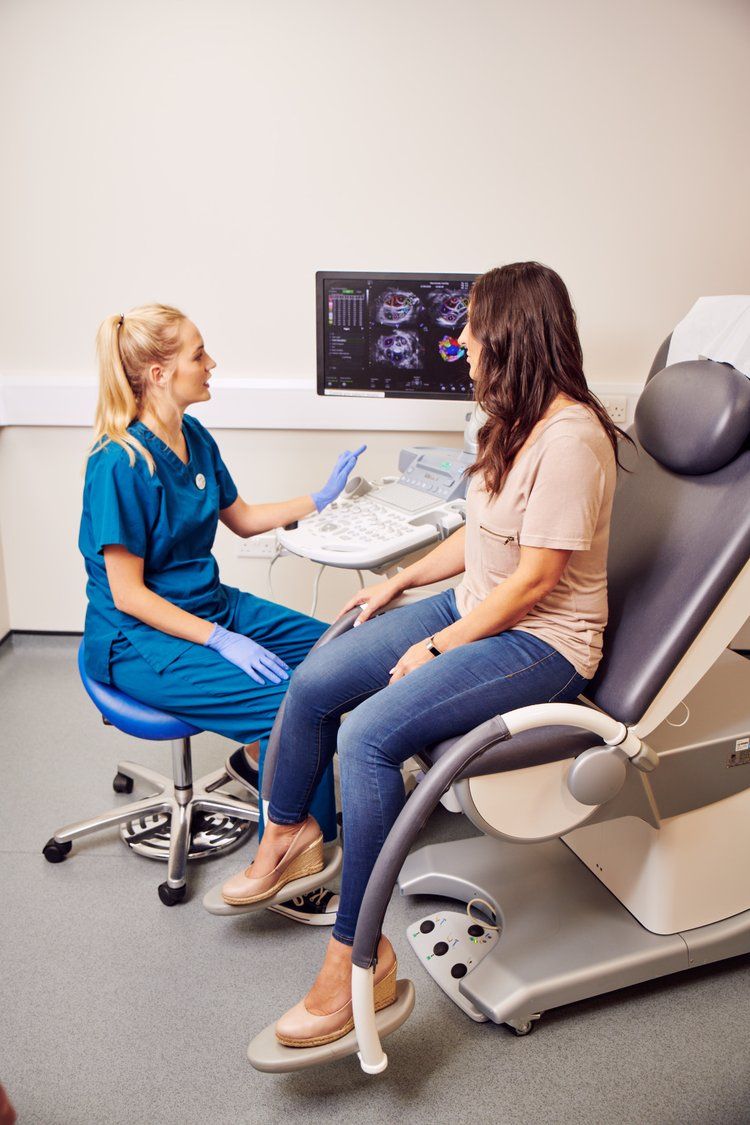
The Endometrial Receptivity Array ‘ERA’ is a genetic test that can be used to assess when the lining of the womb is most receptive to the embryo. This test was developed in order to try to improve the likelihood of the embryo implanting in women who have had several failed embryo transfers.
The technique evaluates the womb lining by analysing 236 genes involved in its receptivity. These genes were identified by scientific research as being important for implantation.

Endometrial Scratching
Embryo transfer is a vital stage of IVF treatment, sometimes, however, the embryo doesn’t implant and this can be because of a problem with the endometrium. An Endometrial Scratch is performed in an effort to improve the chances of implantation.
HFEA, the Human Fertilisation & Embryology Authority, investigates treatment add-ons regularly and assigns them a level with a traffic light system.
FAQs
IVF add-ons are optional treatments or techniques that may be used alongside standard fertility treatment to potentially improve outcomes. They are not always necessary and are recommended based on your individual circumstances following consultation with a fertility specialist.
Some IVF add-ons may be included within treatment packages, while others may be offered as optional extras. Your consultant will explain what is included and whether any additional techniques are suitable for you.
Some add-ons may improve certain aspects of treatment, but evidence varies. Regulatory bodies like the Human Fertilisation and Embryology Authority (HFEA) use a traffic light system to indicate effectiveness, with some add-ons requiring more research.
The most appropriate add-ons depend on your medical history, diagnosis, and previous treatment outcomes. Your fertility consultant will guide you through the options and explain any potential benefits and risks before recommending specific add-ons.
No, IVF add-ons are not essential for everyone. Many patients achieve successful outcomes with standard IVF treatment alone. Add-ons are only recommended when there is a potential benefit based on your individual case.
You can speak directly with a fertility specialist or book a consultation to discuss your options in detail and receive personalised recommendations.
Want to learn more about IVF add-ons?

Book a free 1-2-1 call
Speak to one of our friendly co-ordinators to find out exactly which type of fertility testing option suits you.

Request a callback
Fill in your details here and we'll call you back to discuss our fertility testing options

View our fertility treatments
Find out more about our fertility treatment for male-factor infertility.