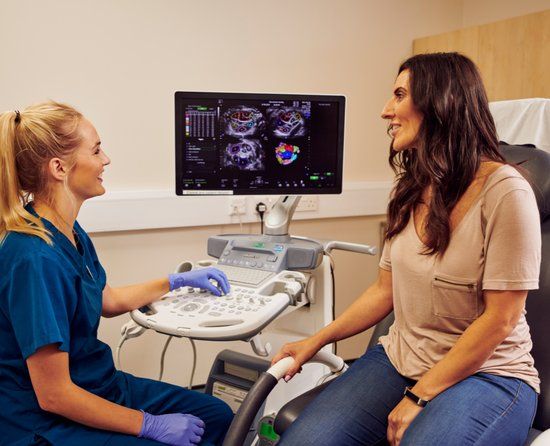

When couples experience difficulty conceiving, the focus is often placed on female fertility. However, according to the HFEA, sperm-related problems are responsible for around half of infertility cases, either solely or alongside female factors. Understanding male reproductive health is, therefore, a crucial step in the fertility journey.
At Manchester Fertility, male fertility testing is a straightforward, confidential process designed to identify potential issues early and guide appropriate treatment.
Why Male Fertility Testing Is Important
Male fertility depends on the production of healthy sperm that can successfully fertilise an egg. Issues with sperm count, movement, shape, or underlying health conditions can affect fertility, often without any obvious symptoms.
Early male fertility testing can:
- Identify treatable conditions
- Prevent unnecessary delays in conception
- Reduce emotional stress for couples
- Help tailor fertility treatment more effectively
For many patients, a simple semen analysis is the first and most informative step.
When Should a Man Get a Fertility Test?
You may consider male fertility testing if:
- You and your partner have been trying to conceive for 12 months or more (or 6 months if the female partner is over 35)
- You are planning fertility treatment such as IVF or ICSI
You have a history of:
- Undescended testicles
- Testicular injury or surgery
- Mumps after puberty
- Chemotherapy or radiotherapy
You experience symptoms such as:
- Erectile or ejaculation issues
- Hormonal symptoms (low libido, fatigue)
- Testicular pain or swelling
- You want reassurance before trying for a baby
Some men choose to have their fertility assessed before actively trying to conceive, for example, to provide reassurance about their reproductive health or when considering options like sperm freezing to preserve fertility. (HFEA)
What Does Male Fertility Testing Involve?
Semen analysis (sperm test)
The cornerstone of male fertility testing is a semen analysis, which assesses several key factors:
- Sperm count– the number of sperm present
- Motility– how well the sperm move
- Morphology – the shape and structure of sperm
- Volume and appearance of semen
- Presence of infection or abnormalities

Producing a Semen Sample: What to Expect
Patients are usually asked to:
- Abstain from ejaculation for 2–5 days
- Provide a sample on-site in a private room or at home (where appropriate)
- Where possible, patients should avoid alcohol consumption and any factors that may elevate body temperature, such as acute illness or fever, in the days preceding testing.
The process is discreet and respectful, and clinic staff are available to answer any questions.
Additional Male Fertility Tests
If initial results indicate concerns, further investigations may be recommended, such as:
- Hormone blood tests (testosterone, FSH, LH)
- Scrotal ultrasound to check for varicocele or blockages
- Sperm DNA fragmentation testing
- Genetic testing, if severe sperm abnormalities are present
These tests help pinpoint the cause of male infertility and guide treatment decisions.
Understanding Male Fertility Test Results
Abnormal results do not automatically mean infertility. Many men with suboptimal sperm parameters can still conceive naturally or with assistance.
Common findings include:
- Low sperm count (oligospermia)
- Poor sperm motility (asthenozoospermia)
- Abnormal sperm morphology (teratozoospermia)
- Azoospermia (no sperm present)
At Manchester Fertility, results are explained clearly during a consultation, with time to discuss next steps and treatment options.
What Happens If a Problem Is Found?
Treatment depends on the underlying cause and may include:
- Lifestyle changes (diet, exercise, reducing alcohol, and stopping smoking)
- Medication or hormone treatment
- Surgical treatment (e.g. for varicocele)
- Assisted conception, such as IVFor ICSI
- Surgical sperm retrieval in some cases
Many male fertility issues are treatable or manageable, particularly when diagnosed early.
Lifestyle Factors That Affect Male Fertility
Male reproductive health is closely linked to overall health. Factors known to impact sperm quality include:
- Smoking and vaping
- Excessive alcohol intake
- Obesity
- Stress
- Heat exposure (e.g. hot tubs, laptops on lap)
- Anabolic steroids and recreational drugs
Improving lifestyle factors can significantly enhance fertility outcomes and overall well-being.
Male Fertility Testing and IVF Treatment
For couples considering IVF, male fertility testing plays a vital role in determining the most appropriate treatment approach. For example:
- ICSI (Intracytoplasmic Sperm Injection) may be recommended for low sperm count or motility
- Sperm DNA testing can help explain recurrent IVF failure or miscarriage
- Results can guide decisions around sperm freezing or donor sperm
Why Choose Manchester Fertility for Male Fertility Testing?
Manchester Fertility offers:
- Expert fertility consultants and andrologists
- Advanced diagnostic testing
- State-of-the-art laboratories
- Personalised treatment plans
- A supportive, discreet environment
Take the First Step
Male fertility testing is simple, informative, and often reassuring. Whether you are just starting to try for a baby or planning fertility treatment, early testing can save time, stress, and uncertainty.
If you have concerns about male fertility or would like to book a semen analysis, the team at Manchester Fertility is here to help.
Contact our friendly New Patient Coordinators on 0161 958 6116 or book a free 1-2-1 Discovery Appointment to learn more about what treatment options might be right for you.
Last updated: 23rd March 2026