
What is Egg Freezing?
Egg Freezing, also known as oocyte cryopreservation, is a form of fertility preservation that allows individuals to safeguard their fertility for the future. It involves collecting a person’s eggs, freezing them, and storing them for potential use later in fertility treatment such as IVF.
Egg freezing is a proactive way to prepare for the future, no matter your circumstances. And with the capability to store your eggs for up to 55 years, you’ll have plenty of time to make the right decision for you.
Egg freezing is increasingly popular among people who want to delay pregnancy due to career goals, personal circumstances, medical reasons, or the absence of a suitable partner. It provides peace of mind by preserving younger, healthier eggs for future use.
Studies have suggested that the best time to freeze your eggs is before the age of 35, as age not only has an impact on egg quality, but also on the number of eggs in your ovarian reserve.
What is the Egg Freezing Process?
- The egg freezing process starts with pre-treatment fertility testing to determine that egg freezing is the right option for you. These tests include assessing your ovarian reserve, which provides an indication of the number of eggs you have and your likely response to the stimulation required for egg freezing.
- You will then undergo ovarian stimulation for approximately 2-3 weeks. This involves using tailored doses of fertility drugs to help you produce mature eggs for freezing. This stage is similar to an IVF treatment cycle, encouraging your ovaries to produce multiple mature eggs. Once your eggs are ready, you will be given a ‘trigger injection’ to help loosen them from the follicles.
- The egg retrieval is carried out in our state-of-the-art clinic theatre under ultrasound guidance and sedation. Our doctors and nurses will be there to support you every step of the way, ensuring you feel well looked after following your procedure.
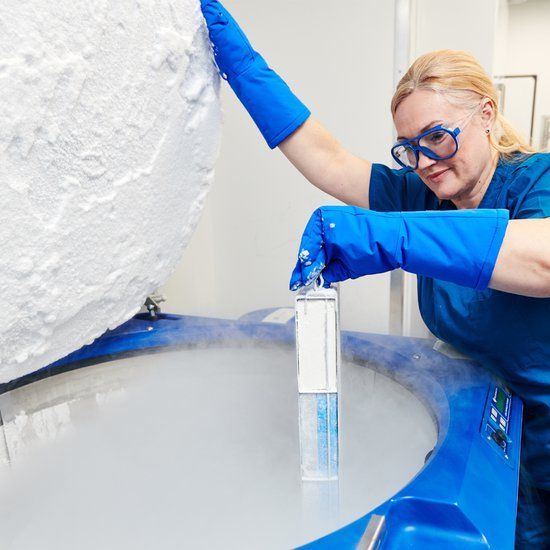
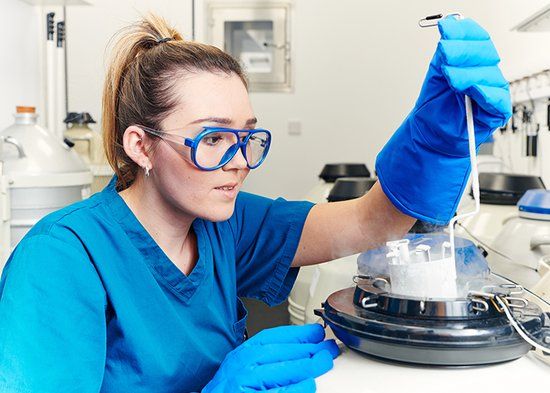
- Our expert embryologists then cryopreserve your eggs in our laboratory using a technique called vitrification, a special fast-freezing method which ensures high survival rates for frozen eggs.
- When you are ready, you can visit us again to discuss further treatment and starting your family.

Why Would Someone Want to Freeze Their Eggs?
You may want children later in life:
One of the most common reasons for wanting to freeze your eggs is to preserve fertility for later life. With more and more people choosing to wait to start their families, there’s a growing awareness around assisted reproduction, such as what methods are available and how to access these services. Egg freezing is also a great option if you know you want children, but you haven’t found the right partner.
By freezing your eggs, you ensure you have healthy samples available for future treatment. Egg quality deteriorates with age, but freezing eggs at an earlier age means the chances are your eggs are of a higher quality than if you had waited to conceive naturally later in life.
Freezing eggs at a younger age can significantly improve future IVF success rates compared to trying to conceive naturally later in life.
You have an existing medical condition or require medical treatment:
A diagnosis requiring medical treatment can be overwhelming - especially when treatments such as chemotherapy, radiotherapy, or surgery may impact fertility.
With personalised advice from our specialist fertility consultants, we support patients through every step of fertility preservation. Initial tests and screenings take your medical history into account to determine the safest and most effective approach.
Egg freezing is commonly recommended for patients undergoing cancer treatment or managing conditions such as endometriosis or autoimmune disorders. As the law now permits you to store eggs for use in treatment for any period up to a maximum of 55 years from the time they are first placed in storage, you can concentrate on your health without worrying about your future fertility.
You’re considering transitioning:
Many AFAB (Assigned Female At Birth) people, or female-bodied people, may want to consider egg freezing before undergoing gender-affirming hormone therapy or surgery.
Before undergoing Hormone Replacement Therapy, or Gender Affirmation Surgery, we would always encourage our transgender patients to consider planning for their future. Although starting a family may not be a priority at that moment in time, egg freezing can be a wonderful way to ensure you can still start a family, at a time when you are ready to, after you have transitioned.
How Much Does Egg Freezing Cost?
In today’s economic climate, we know that fertility preservation is an expense that must be considered carefully, given the many other demands on our finances. That’s why our fertility preservation costs are transparent and include everything you may need for a treatment cycle.
Rest assured, no matter your circumstances, you will always be offered complete transparency on your treatment and all the advice you need to make informed decisions for your fertility journey.
For more information on pricing and a complete breakdown of treatment costs, see our most recent price list.
Contact our New Patient team directly on 0161 958 6138, or book a free 1-2-1 discovery appointment online today. Our team will be happy to answer any questions you have about egg freezing or offer advice on our other fertility treatments and preservation services.
Last updated: 15th January 2026