
BMI and fertility
While many people who have a higher BMI go on to have healthy pregnancies and births, being above a healthy weight can sometimes make it more difficult to conceive naturally. According to the Royal College of Obstetricians and Gynaecologists (RCOG), a higher body weight does increase the risk of certain complications for both you and your baby.
Making small lifestyle changes before IVF can make a big difference when preparing your body. Here are some simple tips from our expert team to help with your IVF preparation diet.
Dietary changes
At the start of your fertility journey with us, you will have a consultation with one of our fertility specialists to discuss your health and any changes you can make before starting treatment.
These might be dietary changes, such as looking at your carbohydrate intake. Carbohydrates are one of our main sources of fuel and a vital macronutrient in our diets, but you should aim for healthy, complex carbohydrates such as quinoa, brown rice, kidney beans, or lentils. When these are added, they help boost and sustain your energy for longer periods and help you to avoid energy dips where you may reach for unhealthy snacks.
‘Being aware of how we fuel our bodies and making simple swaps can have a massive impact on improving our diet and IVF success rates. Unfortunately, there is no guaranteed exact recipe for success, but over my 28 years working with Manchester Fertility, I have seen the difference small steps towards a healthier life can make.’
- Sam Potts, Head of Nursing.
Acknowledging the sugars.
Trying to cut out added sugar is a great way to improve your diet for IVF. On food labels, everything that ends in an ‘...OSE’ (like Fructose) is sugar. If you can get in the habit of recognising these, you can have a better idea of what kind of food you are fuelling your body with.
A healthy diet for IVF
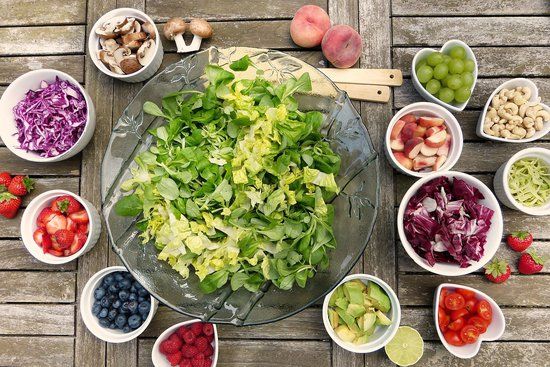
One of the best ways to maintain a healthy diet before you start your IVF treatment is to take control of your cooking. Wherever possible, cook your meals from scratch using fresh whole foods and cut out the packaged and processed foods, which can be high in salt, fats and added sugars.
If you’re unsure where to start with cooking from scratch, BBC Good Food offers plenty of simple, easy-to-follow recipes to help you get inspired. Batch cooking can also be a great way to build a routine with your meals, making it easier to have home-cooked options ready for lunch and dinner throughout the week.

Exercise
Exercise is a great first step if you’re aiming to lose weight. You can begin with frequent, short sessions and build up to longer sessions to see greater results. Try to choose activities that raise your heart rate, such as jogging, swimming or fast biking.
The NHS suggest that you should get 150 minutes of exercise a week if you are trying to lose weight. Starting off with a simple exercise, such as walking, could be the best option. Walking is a great exercise; it’s simple, free, and easy to incorporate into your daily routine.
You can find many apps to help you track your workouts, whether you are looking to improve your distance, pace or total calories burnt. The NHS has a collection of better health mobile apps that can help you get more active, and many find that these are a great motivator for exercise.
By combining lifestyle changes such as a balanced diet and regular exercise, you can help increase your chances of IVF success and feel confident that you’re giving your body the best possible start.
Get started
Contact our friendly New Patient Coordinators on 0161 300 2737 or book a free 1-2-1 Discovery Appointment to learn more about what treatment options might be right for you.
Last updated: 2nd December 2025