


Did we answer all your fertility questions today?
If you still feel you need more guidance and support, you can book a FREE 1-2-1 discovery meeting to talk through the options available to you.

Did you know that male infertility is now one of the most common reasons couples seek fertility treatment?
Data from the Human Fertilisation and Embryology Authority (HFEA) shows that male-factor infertility accounts for around 37% of IVF cycles in the UK, making it the single largest recorded cause of infertility treatment.
Overall, male factors are estimated to contribute to around 50% of infertility cases, either alone or alongside female factors (HFEA).
But the good news is that in most cases, male infertility is treatable with the right diagnosis, support and treatment. Explore some of the most common male fertility problems and learn more about male fertility health.
A low sperm count is when the amount of sperm in your ejaculate is lower than it should be, fewer than 15 million sperm per ml of semen. A low sperm count can make it harder to conceive as there are less sperm to try to fertilise the egg.
Azoospermia is when there is no sperm present in your ejaculate. This could be caused by blockages in the tubes that transport sperm. Azoospermia can be treated using surgical techniques to extract sperm from within the testicular tissues.
Abnormal sperm morphology is when your sperm is not shaped normally. If sperm head and tail is abnormal, it is less likely to reach the egg and successfully fertilise it.
Variocele are varicose veins of the testes and are thought to affect around one in 10 men. Depending on their severity, they can cause low sperm production and poor sperm quality.
Sperm has to be able to 'swim' to reach the egg. Poor sperm motility means your sperm is not moving as it should be, meaning there is less chance of conception.
A blockage or obstruction in the tubes that transport sperm, caused by previous vasectomy, injury or infection, can significantly affect fertility resulting in low sperm count or no sperm at all.
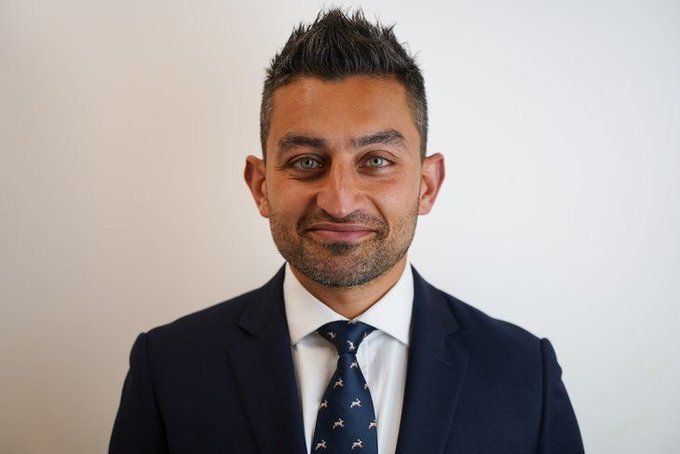
As a urological surgeon, Steve is the consultant you may see if you have male fertility issues. He performs Surgical Sperm Retrieval and is highly-skilled in microscopic surgery to ensure the best chance of success for intricate procedures such as vasectomy reversal.
Having joined the Northwest of England’s regional centre for male sexual and reproductive health (Andrology) Prof. Modgil is the highest volume infrapubic penile implant surgeon in the UK, and one of the highest volume Peyronie's disease surgeons in the UK.
As a dedicated male fertility and reproductive health clinic, we focus on identifying and treating a wide range of concerns. The process begins with a comprehensive male fertility assessment, designed to evaluate your current fertility status and review your medical and reproductive history to identify any factors that may affect your ability to conceive naturally.
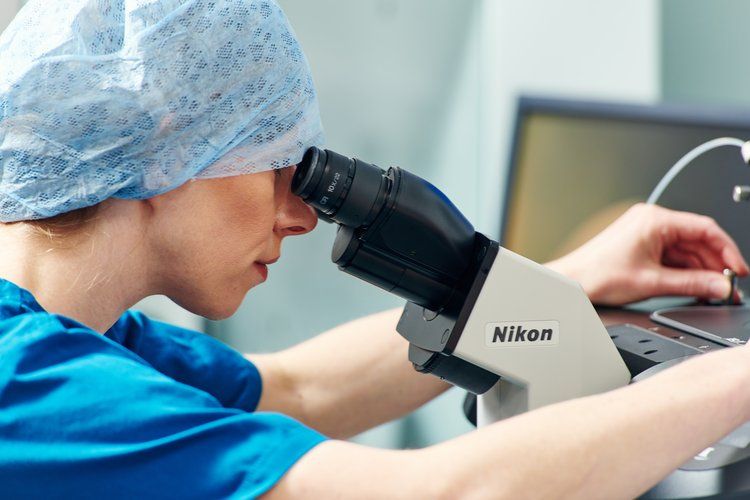
To investigate male infertility, you will be asked to provide a semen sample for detailed laboratory analysis. This assessment evaluates key aspects of sperm health, including:
Where necessary, blood tests may also be carried out to assess hormone levels involved in sperm production. We will review your lifestyle habits as well and recommend practical changes that could help improve your fertility outcomes.
In addition, an advanced test known as SpermComet may be offered alongside your semen analysis. This test measures the level of DNA damage within sperm. It may be recommended if you have experienced low fertilisation rates during IVF, poor embryo development, or recurrent pregnancy loss.
Find out about the health of your sperm with a comprehensive male fertility assessment.
We not only check your sperm count, shape, mobility and more, but also look at your lifestyle and overall health, to make sure there is nothing that could cause fertility issues for you now and in the future.
If a fertility issue is found, our specialists will advise next steps. Whether that involves treatment when you are ready to conceive, or expert advice to help you conceive naturally.

Speak to one of our friendly co-ordinators to find out exactly which type of fertility testing option suits you.

Fill in your details here and we'll call you back to discuss our fertility testing options

Find out more about our fertility treatment for male-factor infertility.
If you still feel you need more guidance and support, you can book a FREE 1-2-1 discovery meeting to talk through the options available to you.