


I've Been Diagnosed With A Fertility Condition
Don't worry, a diagnosis isn't the end of your fertility journey
Hearing that you've been diagnosed with a fertility-related condition can be an emotional experience. For many people, it raises immediate questions about whether they'll ever be able to have children, what treatments they might need, and whether they should start fertility treatment straight away.
It's important to remember that a diagnosis may not affect your fertility.
Many reproductive health conditions can affect fertility to varying degrees, but very few mean pregnancy is impossible. In fact, thousands of people diagnosed with conditions such as endometriosis, Polyendocrine Metabolic Ovarian Syndrome (PMOS), fibroids, adenomyosis, blocked fallopian tubes or male fertility problems go on to have successful pregnancies every year.
Some conceive naturally without medical intervention, while others benefit from fertility treatments such as IVF (in vitro fertilisation), ICSI, intrauterine insemination (IUI) or ovulation induction. The most appropriate treatment depends on a combination of factors, including your age, ovarian reserve, hormone levels, reproductive history, partner fertility and the specific condition you've been diagnosed with.
A diagnosis provides valuable information, but it only tells part of the story. Two people with the same diagnosis may have very different fertility outcomes, which is why a fertility assessment is so important.
At Manchester Fertility, we don't simply treat conditions; we assess your overall reproductive health to understand how your diagnosis affects your individual chances of conception and what options are most likely to help you achieve a healthy pregnancy.
Understanding Your Diagnosis
Many fertility conditions exist on a spectrum rather than following a single pattern. Some people experience severe symptoms but retain good fertility, while others have very few symptoms yet struggle to conceive.
For example:
- A woman with extensive endometriosis may become pregnant naturally within a few months.
- Another woman with mild endometriosis may require IVF.
- Someone with PMOS may ovulate regularly despite their diagnosis.
- Another person with PMOS may rarely release an egg without treatment.
This is why fertility specialists avoid making assumptions based solely on the name of a condition.
Instead, we consider how the condition is affecting your reproductive system today.
Questions we investigate include:
- Are you ovulating regularly?
- Are your ovaries producing healthy eggs?
- Are your fallopian tubes open?
- Is your uterus suitable for implantation?
- Is sperm quality contributing to the difficulty?
- Have previous surgeries affected fertility?
- Is inflammation impacting implantation?
These answers provide a much clearer picture than the diagnosis alone.
Female Fertility Conditions
Many fertility conditions affecting women can be successfully managed with lifestyle changes, medication, fertility treatments or assisted conception.
Explore the different types below to learn more about common female fertility conditions.

Endometriosis
Endometriosis is a condition where tissue similar to the lining of the womb grows outside the uterus. These growths can occur on the ovaries, fallopian tubes, bowel, bladder and other areas within the pelvis.
1 in 10 women and those assigned female at birth of reproductive age in the UK suffer from endometriosis.

Polyendocrine Metabolic Ovarian Syndrome (PMOS)
Polyendocrine Metabolic Ovarian Syndrome (PMOS) is a complex hormonal and metabolic condition that affects multiple systems throughout the body. It can influence:
PMOS impacts 1 in 8, or more than 3.1 million women and girls in the UK.


Male Fertility Conditions
Male fertility factors contribute to around half of all fertility difficulties experienced by couples. Many conditions are treatable, and specialist testing can help identify the most appropriate treatment.

Low Sperm Count
A low sperm count (oligospermia) means fewer sperm are present in the semen than expected, making natural conception more difficult. Causes can include hormonal imbalances, lifestyle factors, medical conditions and genetic factors.
Depending on the severity, treatment may involve lifestyle changes, medication or assisted conception techniques such as IVF or ICSI.

Poor Sperm Motility
Sperm motility refers to how effectively sperm move. If sperm struggle to swim efficiently, they may be unable to reach and fertilise an egg naturally.
Poor motility can result from infection, lifestyle factors, underlying medical conditions or unexplained causes. Our fertility specialists can assess sperm quality and recommend suitable treatment options.

Azoospermia
Azoospermia is the absence of sperm in the ejaculate. This can occur because sperm production is reduced or because a blockage prevents sperm from reaching the semen.
Specialist investigations can identify the cause, and many men with azoospermia are still able to achieve biological parenthood through advanced fertility treatments and surgical sperm retrieval techniques.

Varicocele
A varicocele is an enlargement of the veins within the scrotum that can affect testicular temperature and sperm production. It is one of the most common potentially treatable causes of male infertility.
In some cases, treatment may improve sperm quality and increase the chances of conception.
What happens after a diagnosis?
Receiving a diagnosis is only the first step.
Every fertility condition affects people differently. Two women with Stage III endometriosis may have completely different symptoms, ovarian reserve, egg quality and fertility outcomes. Likewise, two men diagnosed with low sperm count may require completely different treatment plans.
That's why fertility care should never follow a one-size-fits-all approach.
Following your diagnosis, we recommend a fertility assessment that will include:
- How long you've been trying to conceive
- Previous pregnancies
- Your ovarian reserve
- Ovulation
- Uterine health
- Sperm health (where applicable)
- Previous surgeries
- Lifestyle factors
- Hormone profile
This allows us to recommend treatments based on your fertility, not simply your diagnosis.
A fertility assessment is available without a GP referral. Simply call our team, schedule an appointment, or book online.
Does my diagnosis mean I can't have children?
This is one of the first questions most patients ask. For the overwhelming majority of people, the answer is no.
A diagnosis simply identifies a factor that may affect fertility. It does not determine your future.
Many patients conceive:
- Naturally
- Following lifestyle changes
- After medication
- With minimally invasive fertility treatment
- Through IVF or ICSI
The key is understanding which treatment, if any, offers the best balance between success, safety and time.
We will discuss realistic success rates based on your age, diagnosis and overall reproductive health rather than relying on population averages.
When should I see a fertility specialist?
You should consider a fertility consultation if:
- You've been trying to conceive for 12 months (or 6 months if you're over 35)
- You've been diagnosed with endometriosis
- You have PMOS and irregular ovulation
- You've had multiple miscarriages
- You've had pelvic surgery
- You've been told you have blocked fallopian tubes
- You have reduced ovarian reserve
- You have concerns following cancer treatment
- Your partner has abnormal semen analysis
Earlier assessment often provides more treatment options.

Dr Raj Mathur
Medical Director
With a focus on personalised treatment and evidence-based care, Dr Mathur is dedicated to improving and supporting patients with tailored fertility pathways to help them achieve their family-building goals.

Dr Anamika Rao
Senior Fertility Consultant
Dr Anamika Rao is our Fertility Consultant with 20 years of experience in Obstetrics, Gynaecology, Infertility and Early pregnancy. She has completed her postgraduate training both from India and the UK and is a Fellow of Royal College of Obstetricians and Gynaecologists.

How we create your personalised fertility plan
Once your investigations are complete, your consultant will develop a treatment strategy tailored specifically to your circumstances.
Our Treatments:

IVF
IVF bypasses several fertility barriers and may be recommended depending on your diagnosis.
IVF means in vitro fertilisation. IVF treatment is a technique where fertilisation takes place outside the body. During the IVF treatment process, your eggs and sperm or donor eggs or sperm, are mixed in the embryology laboratory.

ICSI
Recommended for certain male fertility conditions.
ICSI – or Intracytoplasmic Sperm Injection- is a fertilisation technique used in IVF. It involves injecting a single healthy sperm into each egg to maximise the chance of fertilisation.

IUI
IUI – otherwise known as Intrauterine Insemination or ‘artificial insemination’ – is a type of fertility treatment that encourages pregnancy by placing prepared, quality donor or partner sperm close to the egg for fertilisation.

Egg freezing
Elective egg freezing allows you to preserve your fertility until you are ready to have a family.
Your eggs will be retrieved and stored in our laboratory in liquid nitrogen. When you want to try for a baby, your eggs will be thawed and assessed, ready for use in fertility treatment.

Why Manchester Fertility?
Our experienced fertility specialists understand the complex relationship between endometriosis and fertility.
When you choose us, you'll benefit from:
- Personalised fertility care tailored to your diagnosis
- Experienced consultants with expertise in complex fertility conditions
- Over 40 years of experience
- Advanced fertility investigations
- Access to the latest fertility treatments and technologies
- Dedicated nursing and patient support
- Transparent pricing and treatment plans
- Compassionate care throughout your journey
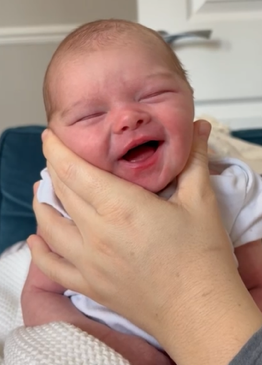

“"We had a wonderful experience with Manchester Fertility. Having heard such positive feedback from friends and family we felt confident from the beginning, and after an initial consultation we made …”
Rose & Kathryn, September 2026
FAQs
Yes. Many women with endometriosis conceive naturally. The likelihood depends on factors such as disease severity, age, ovarian reserve and whether the fallopian tubes remain healthy.
No.
Many women with PMOS become pregnant naturally. The main challenge is often irregular ovulation, which can frequently be treated successfully.
Not always.
Some patients benefit from trying naturally first, while others may improve their chances by seeking earlier fertility treatment.
A specialist consultation helps determine the most appropriate timeline.
It depends on the condition.
For example, surgery for endometriosis or fibroids may improve fertility in selected patients but can also carry risks, including reduced ovarian reserve in some cases. Decisions should always be individualised and discussed with a specialist.
Many patients arrive after years of uncertainty.
Our role is to identify the factors affecting your fertility, explain your options clearly, and develop a personalised treatment plan based on the latest evidence and your individual goals.
Many people diagnosed with fertility conditions conceive naturally, while others may benefit from fertility treatment. The answer depends on the specific condition, your age and your overall fertility health.
Some of the most common female fertility conditions include PMOS and endometriosis, while male fertility problems commonly involve low sperm count, poor motility or abnormal sperm quality.
Following your fertility assessment, your specialist will recommend the treatment most likely to give you the best chance of success based on your diagnosis.
Yes. Fertility difficulties can affect women, men or both partners. This is why fertility investigations often assess both individuals.
Ready To Take The Next Step?
Whether you've recently been diagnosed or have been trying to conceive for some time, our experienced fertility team is here to help you understand your options.

Book Your Fertility Assessment Today
A fertility assessment involves a series of simple tests and a consultation with a doctor.
We will assess your current fertility status, identifying any factors affecting your ability to conceive and providing insight into potential treatment options.
Our Fertility assessments are£465 for heterosexual couples and £365 for single females.
On This Page
- Understanding Your Diagnosis
- Female Fertility Conditions
- Male Fertility Conditions
- What happens after a diagnosis?
- Does my diagnosis mean I can't have children?
- When should I see a fertility specialist?
- How we create your personalised fertility plan
- Why Manchester Fertility?
- FAQs
- Ready To Take The Next Step?
Want to know more about Fertility Conditions?

Book a free 1-2-1 call
Speak to one of our friendly co-ordinators to find out exactly which type of fertility testing option suits you.

Request a callback
Fill in your details here and we'll call you back to discuss our fertility testing options

View our fertility treatments
Find out more about our fertility treatments.