

Endometriosis
Understand how endometriosis may affect your fertility and discover the treatment options that could help you achieve your dream of starting or growing your family.
Last Updated: 5th August 2026
Clinically reviewed on 5th August 2026 by Dr Raj Mathur MD FRCOG
What is Endometriosis?
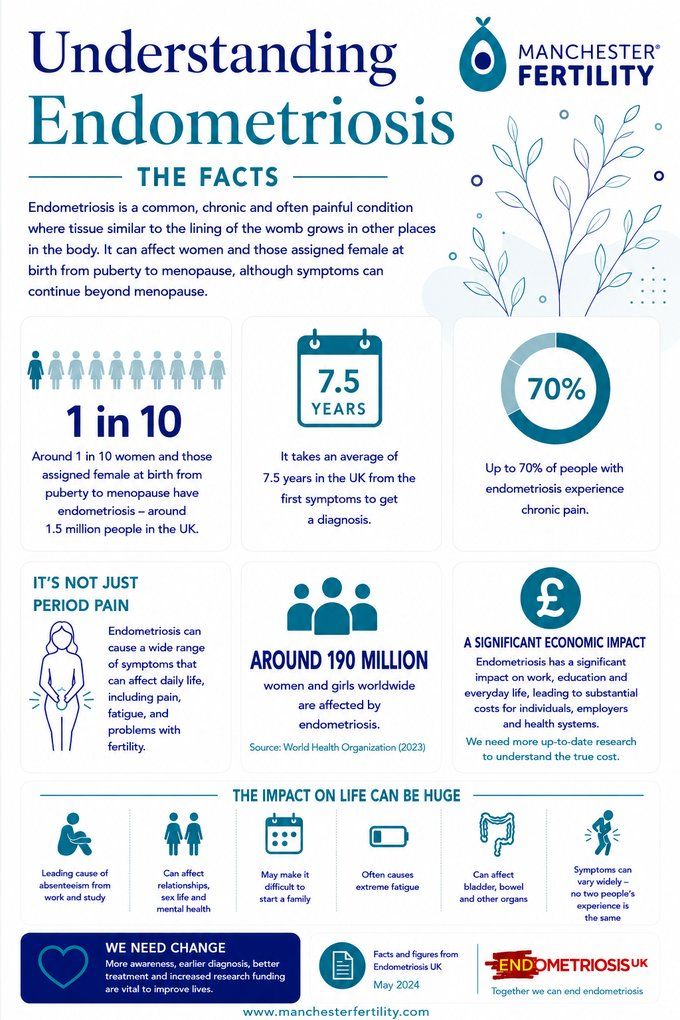
Endometriosis is a condition where tissue similar to the lining of the womb grows outside the uterus. These growths can occur on the ovaries, fallopian tubes, bowel, bladder and other areas within the pelvis.
1 in 10 women and those assigned female at birth of reproductive age in the UK suffer from endometriosis.
Over time, this tissue can cause inflammation, scarring and adhesions, leading to symptoms including:
- Painful periods
- Pelvic pain
- Pain during or after sex
- Pain when going to the toilet
- Heavy menstrual bleeding
- Difficulty becoming pregnant
While not everyone with endometriosis experiences fertility problems, the condition can affect egg quality, ovarian reserve, fallopian tube function and the environment needed for fertilisation and implantation.
How Can Endometriosis Affect Fertility?
Endometriosis can reduce fertility in several ways, depending on the severity of the condition.
It may:
- Make implantation more difficult in some patients
- Damage or block the fallopian tubes
- Cause scar tissue that affects the ovaries or reproductive organs
- Reduce ovarian reserve if there are endometriomas following surgery for endometrioma
- Create inflammation that affects egg, sperm and embryo function
Importantly, many women with mild or moderate endometriosis conceive naturally, and effective fertility treatments are available when additional support is needed.
How Can I Manage Endometriosis?
Living with endometriosis can be challenging, but there are ways to help manage symptoms and improve your quality of life.
The right approach depends on your symptoms, lifestyle and future fertility plans, so it's important to speak to a healthcare professional about the best treatment options for you.
Pain Relief
For many women, pain can be managed with over-the-counter medications. Speaking at the 2026 Fertility Show, our Fertility specialist Raj Mathur explains:
"As a baseline, it's a good idea to use paracetamol. Add to that a non-steroidal like ibuprofen."
He also advises against delaying pain relief:
"Don't wait for the pain to get really bad before you take painkillers."
Taking medication early can often help prevent pain from becoming more severe and may reduce the amount of medication needed
Hormonal Treatments
Hormonal treatments, including the contraceptive pill, progesterone-only medications and hormone-releasing coils, can help slow the growth of endometriosis tissue and reduce symptoms for many women. Your doctor can discuss which option is most suitable for your individual circumstances.
Lifestyle Changes
While lifestyle changes won't cure endometriosis, many women find that regular gentle exercise, prioritising sleep, managing stress and following an anti-inflammatory, balanced diet can help reduce flare-ups and improve overall wellbeing. Keeping a symptom diary may also help you identify personal triggers.
Surgery
If symptoms are severe or don't respond to medication, laparoscopic (keyhole) surgery may be recommended to diagnose and remove endometriosis tissue. Surgery can improve pain and, for some women, may also improve fertility.
Know When to Seek Help
If your symptoms are affecting your daily life, work, relationships or mental wellbeing, don't struggle alone. A specialist can help you explore the most appropriate treatment options.
As Raj reminds patients:
"Be kinder on yourself. Take it when the pain is still manageable, and you may only need a small amount."

When Should You Seek Fertility Advice?
You should consider seeking advice about your fertility if:
- You have been diagnosed with endometriosis and are planning a family.
- You are under 35 and have been trying to conceive for 12 months.
- You are over 35 and have been trying for six months.
- You have severe pelvic pain or known ovarian endometriomas.
- You've had previous surgery for endometriosis.
- You're concerned about your fertility and want reassurance or advice.
Earlier fertility assessments can often provide greater treatment choices.
Your Fertility Journey
Fertility Assessment
We begin with detailed fertility investigations, including hormone testing, ultrasound scans and semen analysis where appropriate, to understand your individual circumstances.
Our Fertility assessments are £465 for heterosexual couples and £365 for single females.
Consultation With a Fertility Specialist
Part of the fertility assessment package is a 50-minute consultation with one of our fertility consultants, who will review your test results with you, along with your medical history, any previous surgery, and symptoms, before recommending a personalised treatment plan.
This is also your opportunity to ask questions and discuss your family-building goals.
Personalised Treatment Plan
Every patient is different.
Depending on your age, ovarian reserve and the severity of your endometriosis, we may recommend:
- IVF treatment
- Intrauterine insemination (IUI)
- Trying naturally with fertility optimisation
- Ovulation induction
- Referral for endometriosis surgery where appropriate
- Fertility preservation if future surgery may affect ovarian reserve
Ongoing Support
Throughout your treatment, you'll receive dedicated support from our experienced clinical team, with regular monitoring and clear communication at every stage.
Fertility Treatment Options For Endometriosis
Every fertility journey is unique. Whether you are exploring your options, trying to conceive with support, or considering fertility treatments, your care will be guided by your individual circumstances.
After a thorough assessment, your personalised treatment plan with us may include:
IVF
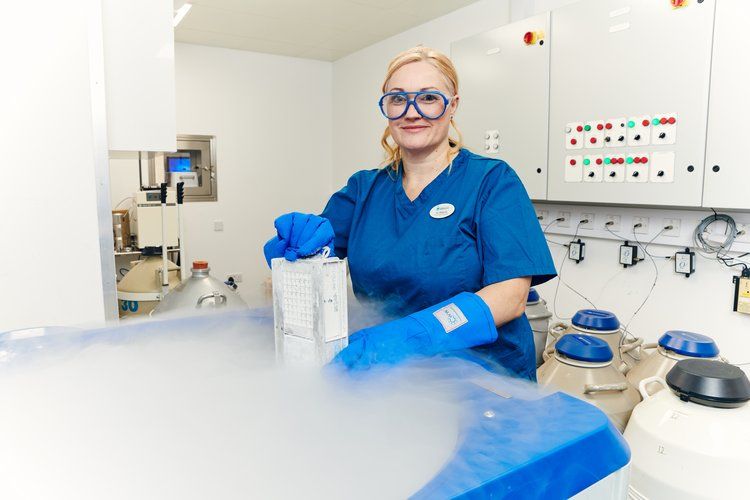
IVF bypasses some of the fertility challenges caused by endometriosis by fertilising eggs in our laboratory before transferring an embryo into the uterus.
For many women with moderate or severe endometriosis, IVF can offer excellent chances of pregnancy.
Why Manchester Fertility?
Our experienced fertility specialists understand the complex relationship between endometriosis and fertility.
When you choose us, you'll benefit from:
- Personalised fertility care tailored to your diagnosis
- Experienced consultants with expertise in complex fertility conditions
- Over 40 years of experience
- Advanced fertility investigations
- Access to the latest fertility treatments and technologies
- Dedicated nursing and patient support
- Transparent pricing and treatment plans
- Compassionate care throughout your journey
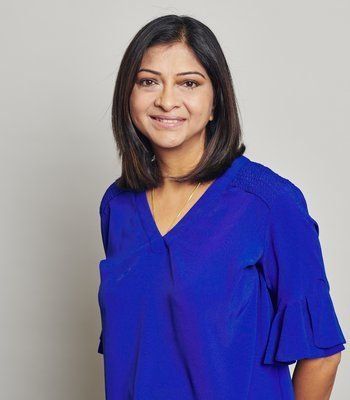
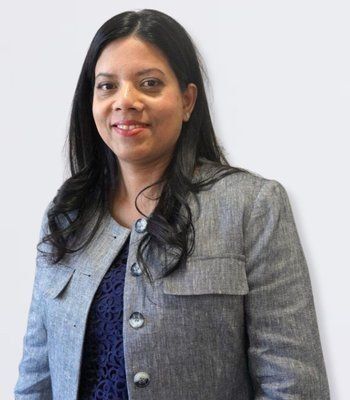
Dr Anamika Rao
Senior Fertility Consultant
Dr Anamika Rao is our Fertility Consultant with 20 years of experience in Obstetrics, Gynaecology, Infertility and Early pregnancy. She has completed her postgraduate training both from India and the UK and is a Fellow of Royal College of Obstetricians and Gynaecologists.
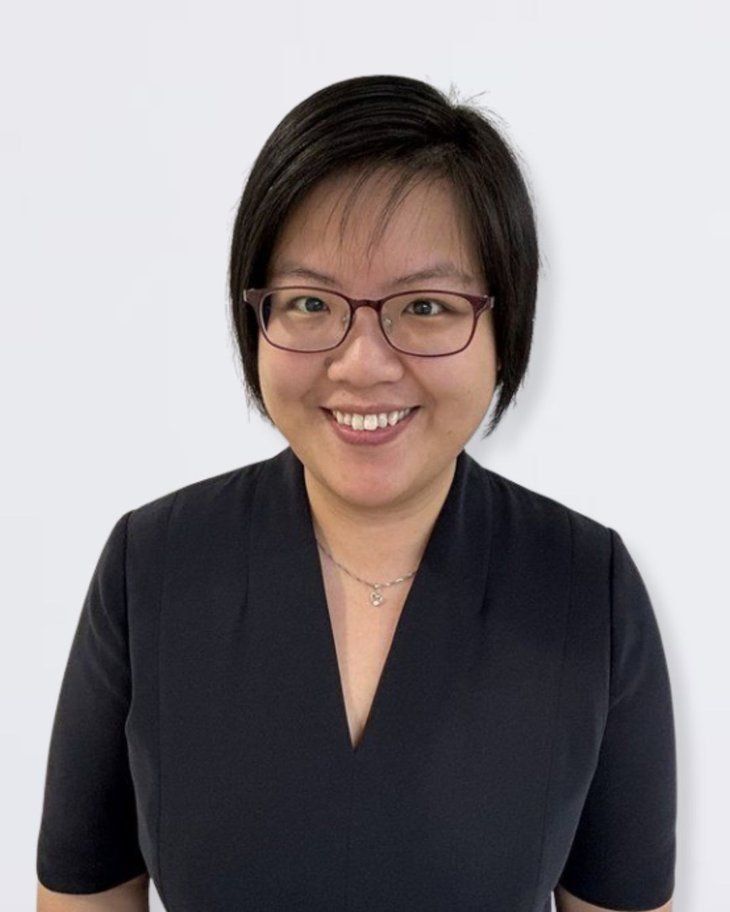
Dr Sharon Tay
Fertility Specialist
Dr Sharon Tay is one of our resident fertility doctors here at Manchester Fertility. With a passion for healthcare, she began her career in reproductive medicine by earning her primary medical degree, MB BCh BAO, from the prestigious National University of Ireland (RCSI/RUMC).

FAQs
Yes. Many women with endometriosis conceive naturally. The likelihood depends on factors such as age, ovarian reserve and the severity of the condition.
No. IVF is only one of several treatment options. Some patients conceive naturally, while others benefit from surgery before fertility treatment.
It can for some women, but surgery is not always necessary or beneficial. Your consultant will recommend the most appropriate approach based on your individual circumstances.
Because endometriosis can progress over time and fertility naturally declines with age, many specialists recommend seeking advice earlier rather than waiting if you're planning a family.
Yes. Endometriosis can recur, which is why ongoing management and personalised fertility planning are important.
Many women with endometriosis can still get pregnant naturally. However, the condition can affect fertility depending on its severity, location, and other individual factors.
Around 30-50% of women with endometriosis may experience fertility challenges, but this doesn't mean pregnancy isn't possible. If you've been trying to conceive without success, speaking to a fertility specialist can help you explore treatment options and improve your chances of pregnancy.
Endometriosis can make it more difficult to become pregnant because it may affect the ovaries, fallopian tubes, or create inflammation that interferes with fertilisation. However, many women with mild or moderate endometriosis conceive naturally. For those who need additional support, treatments such as surgery, fertility medications, or IVF may significantly improve the likelihood of a successful pregnancy.
Endometriosis flare-ups can be triggered by several factors, including hormonal changes during the menstrual cycle, stress, lack of sleep, certain foods, alcohol, and inflammation. Triggers vary from person to person, so keeping a symptom diary can help identify patterns. Managing stress, maintaining a balanced diet, staying active, and following your healthcare provider's treatment plan may help reduce the frequency and severity of flare-ups.
Ready To Take The Next Step?
Whether you've recently been diagnosed with endometriosis or have been trying to conceive for some time, our experienced fertility team is here to help you understand your options.
Book Your Fertility Assessment Today
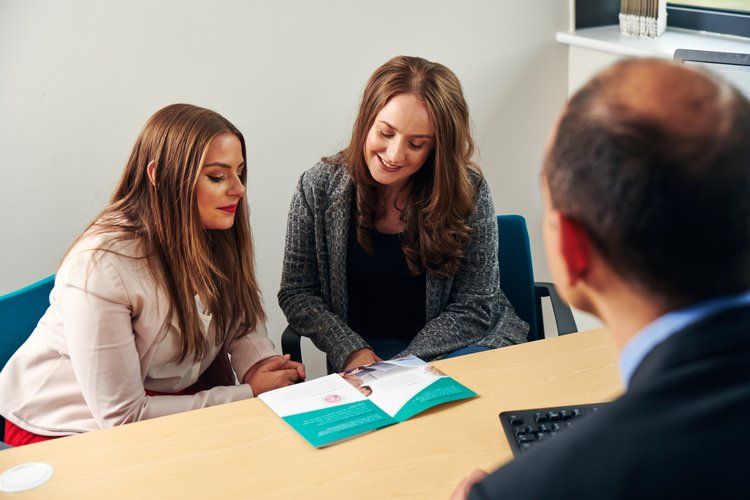
A fertility assessment involves a series of simple tests and a consultation with a doctor.
We will assess your current fertility status, identifying any factors affecting your ability to conceive and providing insight into potential treatment options.
Our Fertility assessments are £465 for heterosexual couples and £365 for single females.
Want to know more about Endometriosis?

Book a free 1-2-1 call
Speak to one of our friendly co-ordinators to find out exactly which type of fertility testing option suits you.

Request a callback
Fill in your details here and we'll call you back to discuss our fertility testing options

View our fertility treatments
Find out more about our fertility treatments.