








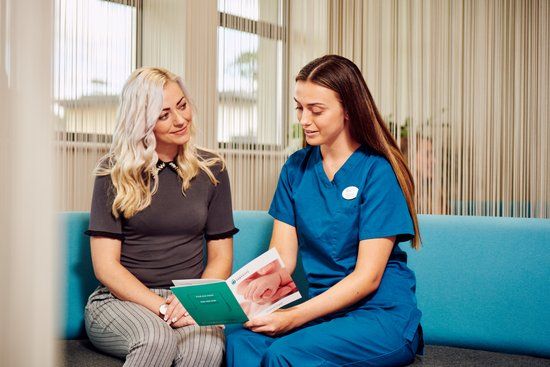


Did we answer all your fertility questions today?
If you still feel you need more guidance and support, you can book a FREE 1-2-1 discovery meeting to talk through the options available to you.

For many years, Polycystic Ovary Syndrome (PCOS) has been one of the most commonly diagnosed hormonal conditions affecting women of reproductive age. However, in 2026, …
Pride Month is a time to celebrate love, identity, and the many diverse ways families are formed. At Manchester Fertility, we understand that there is …
For many people trying to conceive, ovulation happens naturally each month without any intervention. However, for some women, ovulation may be irregular, infrequent, or may …
When trying to conceive, sperm health plays a crucial role. While many people focus on sperm count, sperm motility and how well sperm move is …
We are incredibly proud to announce that Manchester Fertility has been awarded the prestigious Gold Pride in Practice award, recognising our ongoing commitment to delivering …
Blocked fallopian tubes are a common cause of female infertility. If you have been trying to conceive without success, understanding how the fallopian tubes work …
Recent discussions around NHS IVF funding in multiple regions of England (including Greater Manchester, Cheshire, Merseyside, Sussex and South Yorkshire) have highlighted the challenges many …
Understanding your menstrual cycle is one of the most important steps in taking control of your reproductive health. Whether you're trying to conceive, planning ahead, …
Understanding the menstrual cycle is one of the most important steps for anyone trying to conceive. While many people know that ovulation plays a key …
If you want reassurance regarding your fertility, it might be time to investigate your fertility health in more detail with fertility testing. Whether you’re planning …
Nearly 1.5 million cycles of fertility treatment have taken place in the last 20 years, according to data collected by the Human Fertilisation and Embryology …
If you still feel you need more guidance and support, you can book a FREE 1-2-1 discovery meeting to talk through the options available to you.